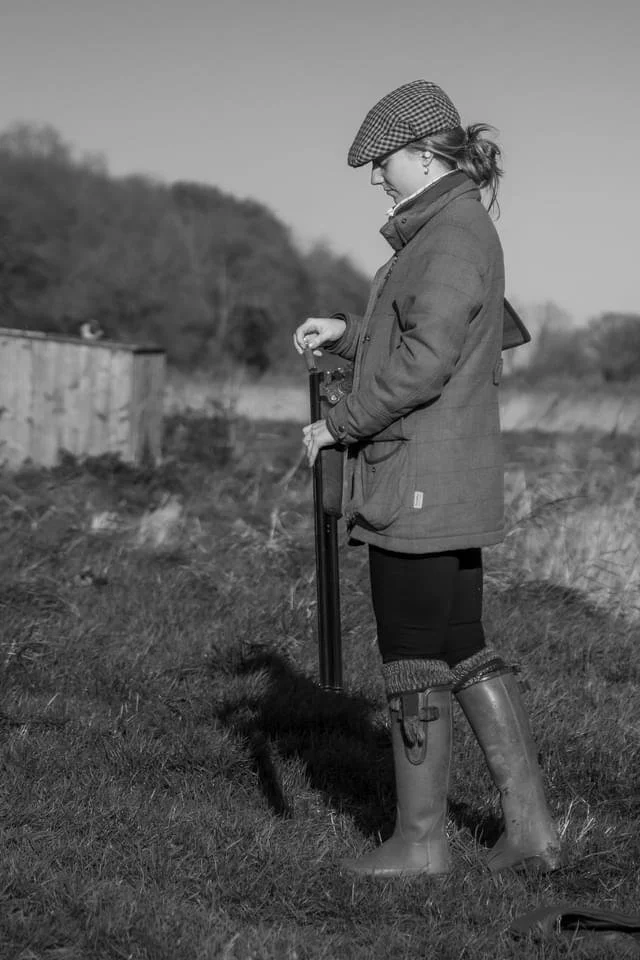
August Profile: Emilie Morris
Although I’m from a small village with no direct agricultural ties, school was just over the way, in Stamford, an area so thick with equestrian yards and farming families that growing up there without catching the bug would have taken real effort.
I was never one for being in doors and I found myself drawn towards biological and ecological studies at school. Holidays were spent staying in converted barns in Cumbria and after displaying even the slightest interest in a flock of pedigree texels, a local family soon found me some work on their farm. Those summers led to a degree in Agriculture, countless lambing, calving and harvest seasons and a real passion for produce.
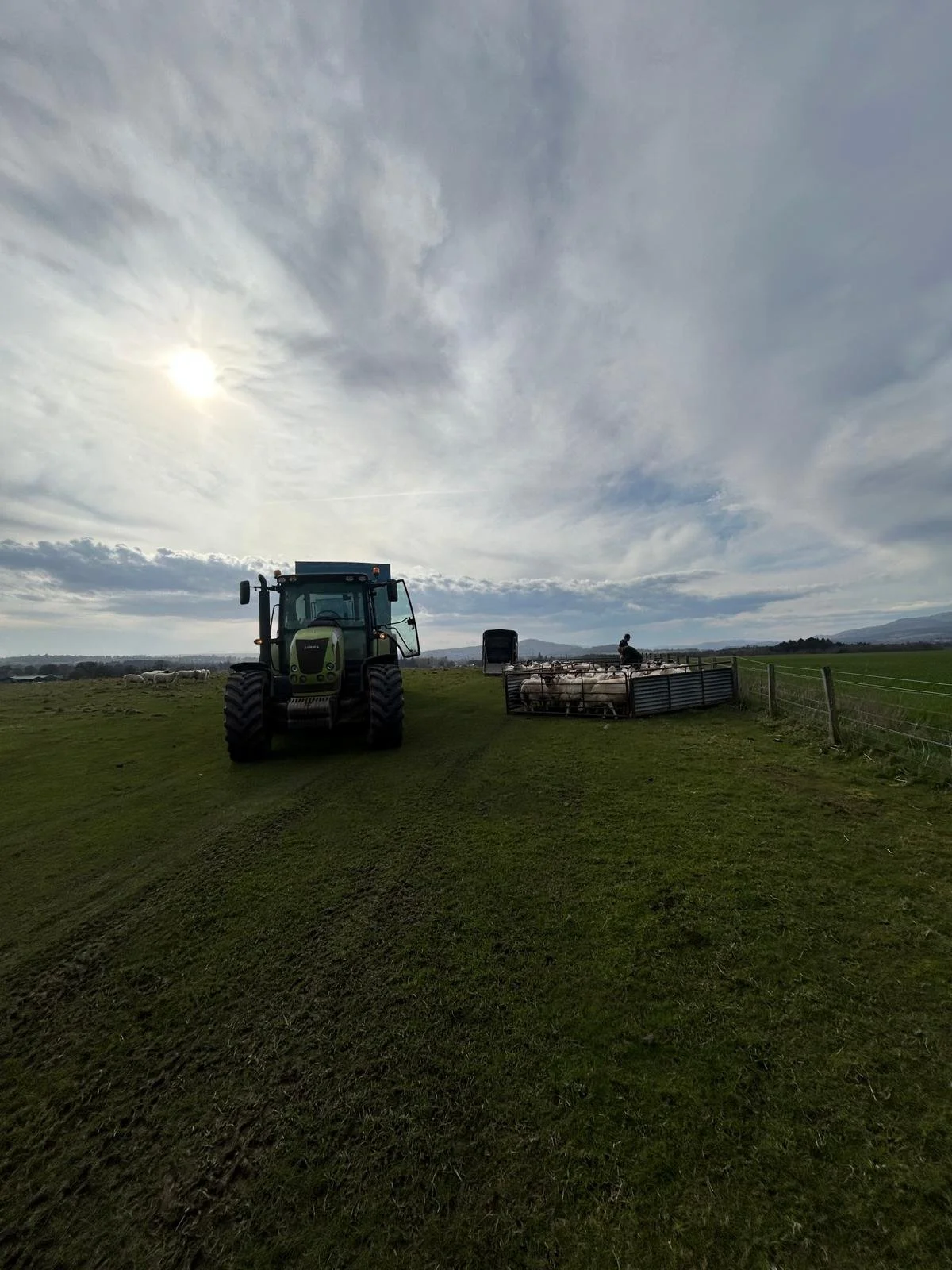
At the end of my education, I took myself to New Zealand to work in the wool trade. I quickly understood that Agriculture doesn’t always mean farming and I spent just over a year talking to the whole supply chain: from farmers, to shearers, wool handlers and overseas traders. Where there is wool, there is meat, exposing me to small butchers’ shops, local abattoirs and the art of home kill at neighbouring farms. There was a frustration in the air that matched that of the UK farmers I had worked for; supply chains don’t seem to understand the production of the produce they sell.
There was (and still is) a real buzz for me, around the concept of working in an integrated supply chain. Bringing something from the paddock into people’s home is a challenge, especially with the nature of consumerism in this day. So looking back, that frustration is probably what drove me towards the meat sector, where I now spend most of my time.
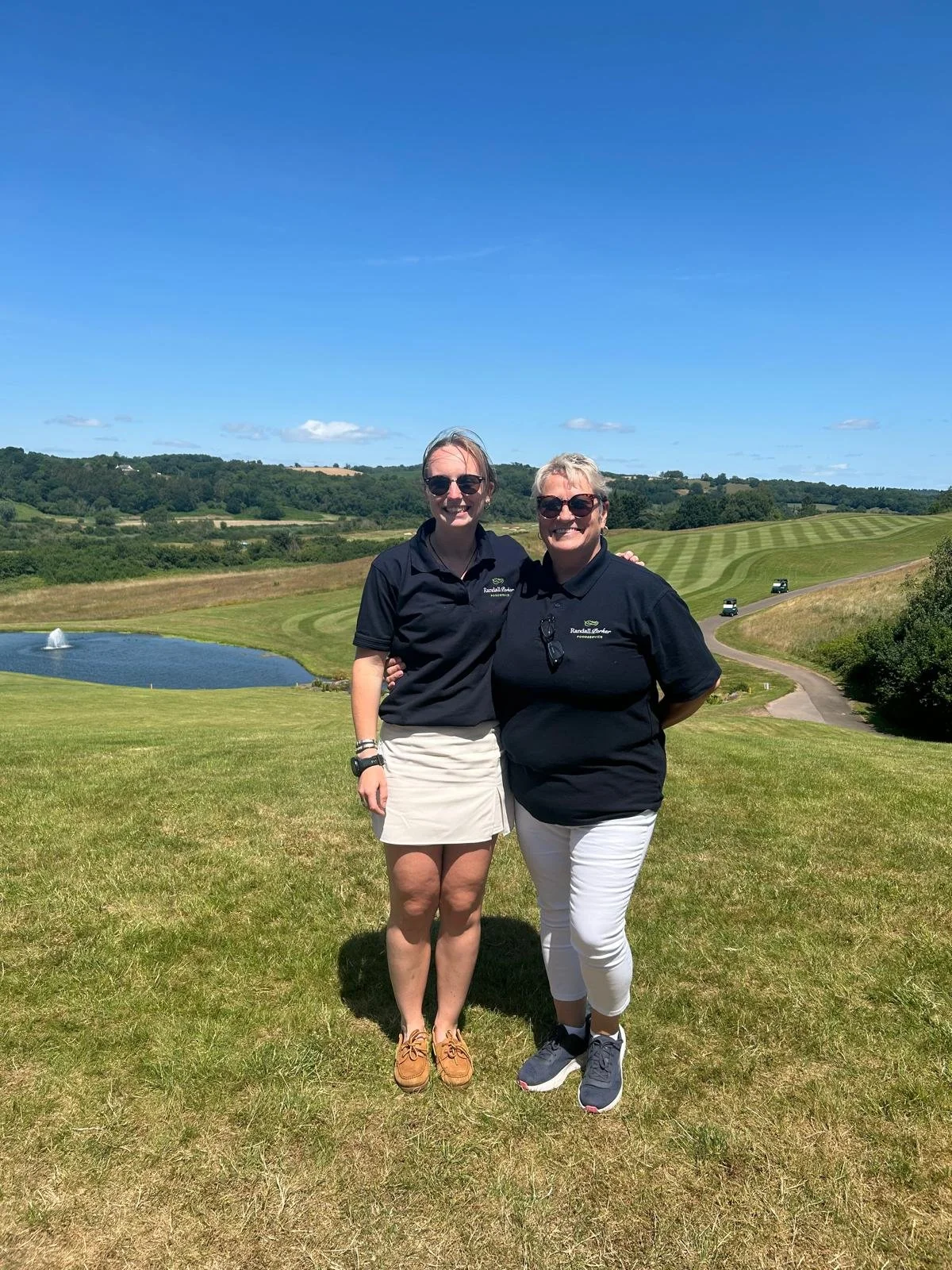
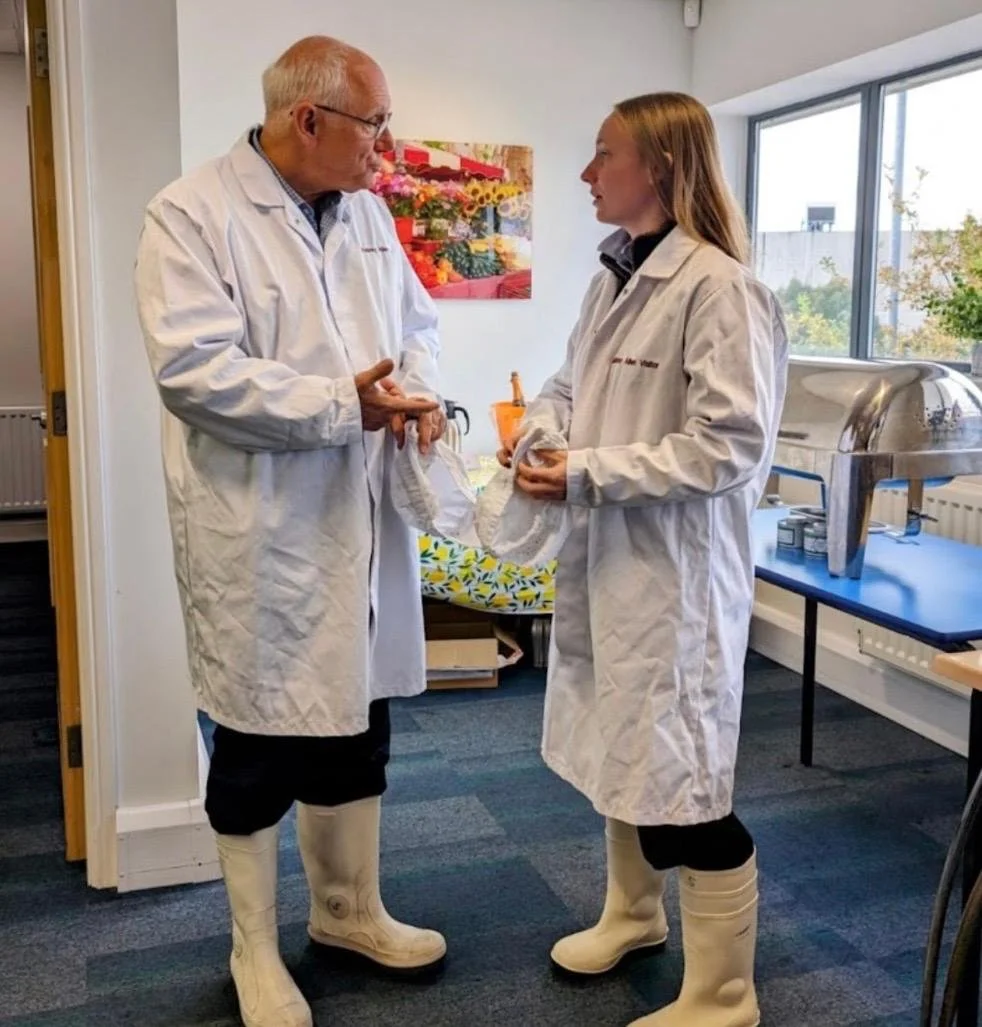
My current role at Randall Parker Food Group has given me the opportunity to bring the farm closer to the fork. As a Business Development Manager, I’m able to be in touch with our suppliers directly, as well as foodservice and third party customers and our network of depots. Whilst John Nix pocketbooks are no longer a part of my daily routine, it’s content directly affects how we buy, manufacture and advise our customers on market patterns.
Alongside RPFG, I keep a small flock of sheep for market. Partly because it’s far easier to understand a community if you’re in it, but mostly because that’s where it all started. Having become a Freeman with the Merchant Taylor’s Livery Company, I sit alongside a wealth of knowledge on our independent catering board, helping to plan procurement in order to serve the City and our members.
It is fair to say that the industry hasn't always made space gracefully, and that's fine because it makes it all the more interesting. The biggest challenge has been proving to certain demographics that a genuine appetite to learn, and the ability to hold ground once the learning's done really does move you forwards. Underestimation is nothing but a superpower, because everyone seems to love an underdog story. I’ve learnt that there will always be people in your corner; a Cumbrian farmer initially in my case, and more recently a very memorable mentor, who knew when to push and when to be patient.
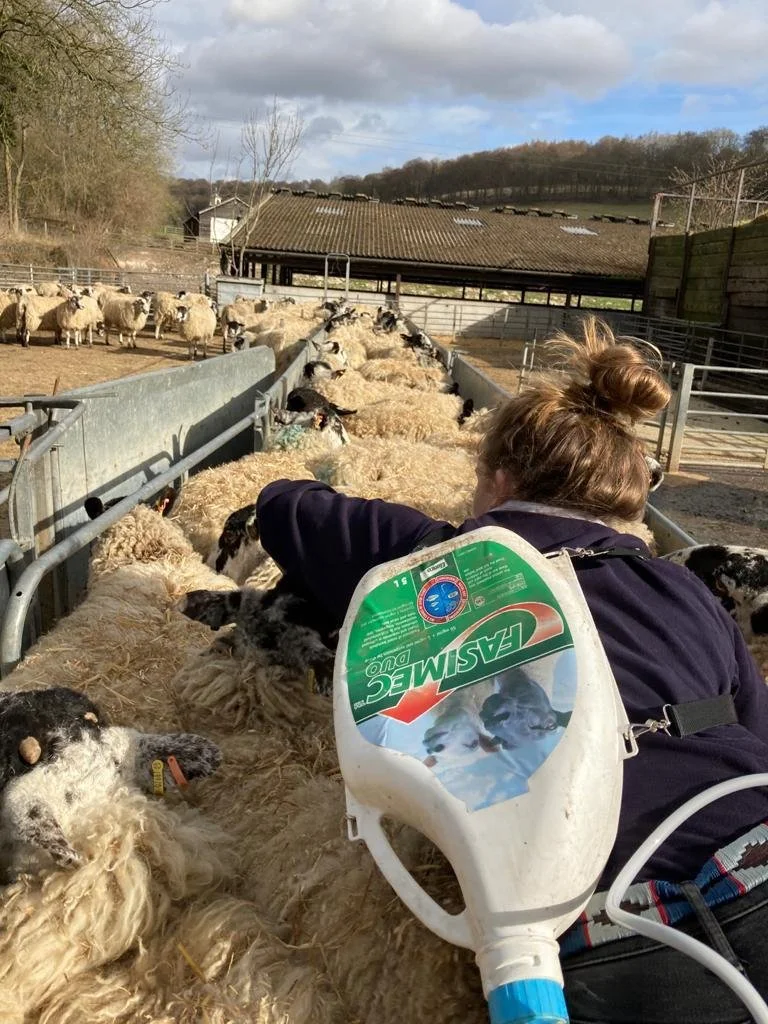
So, what does being a “woman in rural” actually mean?
For me, it means doing things a little differently:
Chatting with farmers on lambing beats so they’ll give up a little more insight on yields and market feel than others might get.
Sometimes being the minority in a room but trusting that my brain belongs there anyway.
And most importantly, building a reputation that makes other women more able to join the industry.